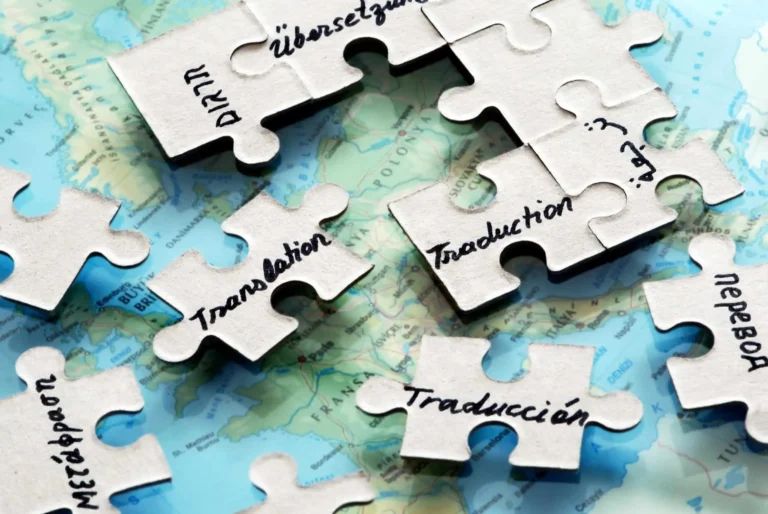

What does the energy transition have to do with language? Quite a lot, actually! Renewable energy is almost always generated through large-scale projects, which in turn encompass global supply chains. Professional translations are therefore of paramount importance.
Gigantic offshore wind farms off the coasts of Europe, massive solar power plants in the deserts of North Africa, and hydroelectric power plants supplying electricity to emerging metropolises in South America—they all have two things in common: they make massive contributions to renewable energy, and they are based on international initiatives. To work efficiently, they need to bridge the language divide.
Professional translations in the renewable energy sector are a major strategic key to their success. Clear communication among project managers, government agencies, technicians, and stakeholders is vital for successful project delivery. Otherwise, market access, safety, and investments are instantly exposed to volatility.
The global energy transition project – language and translation as success factors
Energy projects are inherently multifaceted and depend heavily on global supply chains. A single project can involve solar modules from Asia, software from the U.S., and project development in Europe. Effective, precise communication is crucial at every stakeholder touchpoint.
Inaccurate translations are a recipe for disaster. They don’t just delay projects. They also create legal liabilities and severe safety risks. A professional translation by experts acts as a seamless bridge between languages that makes the global energy transition operationally feasible in the first place. Technological and linguistic precision are inextricably linked.
What is being translated? Technical precision leaves no room for error
The range of documents to be translated in the renewable energy sector is enormously broad and it requires extensive technical expertise. Simply speaking two languages is not enough. The translators must be equally adept at understanding wind turbine physics and photovoltaic inverter systems. Some of the key documents include:
- Technical specifications: Detailed descriptions of solar, wind, and hydroelectric power plants. A single incorrectly translated voltage value in these documents can impact the feasibility of entire grid connections.
- Operating instructions and manuals: Plant operators around the world must be able to safely start up and shut down systems.
- Maintenance logs: On-site service technicians rely on precise specifications to guarantee the longevity of rotors or inverters.
- Internal communication and training: When a corporation rolls out global safety guidelines for offshore wind farms, all employees must unequivocally understand this content.
The importance of consistent terminology
A rotor blade should not be called a “wing” on the first page, a “rotor blade” on the second, and suddenly a “propeller” in the maintenance log. Strict and consistent terminology is essential. By using modern translation memory systems and company-specific glossaries, professional service providers ensure that each technical term is used accurately and consistently in every language. In addition to reducing the potential for errors, it also significantly speeds up future translation projects.
Market access – securing international contracts
The path to large-scale infrastructure projects typically involves complex tenders. These tender documents often span hundreds of pages and are subject to strict legal, technical, and commercial requirement specifications.
Foreign bidders participating in these projects must tailor their proposals perfectly to local expectations. A simple word-for-word translation is not sufficient here. Proposals must be precisely localized to be legally sound. Localization means that measurement units, currencies, legal references, and formal structures also align flawlessly with the conventions of the target market.
The stakes are high in international tenders for grid infrastructure or megawatt-scale solar parks. Even minor formal or linguistic errors in the bid often result in immediate disqualification from the process. Professional translators meticulously review the documents and ensure that your expertise and technological superiority are not overshadowed by stylistic or formal shortcomings.
Book a free initial analysis
Take advantage of our free initial analysis worth €900 for your next translation project. We will show you potential savings and how to optimize your translation processes.
ESG reporting and sustainability certifications
Nowadays, sustainable companies are attracting a growing share of investor capital. The topic of Environmental, Social, and Governance (ESG) carries significant weight with executive boards. At the same time, regulatory reporting is becoming increasingly complex.
Frameworks such as the Global Reporting Initiative (GRI) or the Task Force on Climate-related Financial Disclosures (TCFD) require detailed, transparent, and often highly standardized reports. Since investors prioritizing long-term environmental value naturally gravitate towards companies in the renewable energy sector, their ESG reporting is of immense importance.
Translating sustainability reports requires high-level proficiency in financial and environmental legal terminology. The wording must conform precisely to international standards to build trust among auditors and global investors. Accurate translation of ESG reports directly facilitates capital raising efforts and enhances the company’s reputation.
Software localization in the energy industry – energy management and SCADA systems
Modern energy generation would be unthinkable without highly complex software. SCADA systems (Supervisory Control and Data Acquisition) monitor wind farms in real time, while smart energy management software balances the load across entire power grids.
These systems feature user interfaces (UI) that must be operated by local operators. Translating and adapting these interfaces poses unique challenges. Translators must skillfully balance tight menu space while keeping abbreviations clear. They must also ensure that on-screen warning messages are immediately and intuitively understood in every language.
Excellent UI localization ensures a seamless user experience (UX) and minimizes the risk of user errors. If an error occurs in the system, the warning message “Grid overload – immediate shutdown required” must be just as alarming and unambiguous in the control room’s local language as it is in the original.
Cultural differences and transcreation – communicating renewable energy globally
Despite the global standardization of technology, sustainable practices are heavily influenced by local cultural contexts. Literal translations of marketing campaigns, PR materials, or investor pitch decks for your renewable energy products often ignore critical cultural context.
In some Scandinavian or Western European markets, the inherent environmental benefits of renewable energy are now the top priority. Terms like “climate justice” or “resource conservation” resonate strongly here. In other regions of the world, such as rapidly growing Asian economies or parts of North America, the topic of energy is more commonly aligned with concepts like “independence,” “security of supply,” or “economic growth.”
This is where transcreation comes into play. The text is not simply translated. Instead, it is fine-tuned to match the target market’s distinct cultural nuances and perspective. The core message of your brand remains intact, but the emotional triggers are recalibrated. A slogan for a new solar technology is revamped to maximize consumer trust and enthusiasm in the target market.
Linguistic quality as the foundation of sustainable growth
International expansion in the renewable energy sector offers enormous growth opportunities, but the communication must be strategic and meaningful. From meticulously precise technical documentation to legally compliant tender proposals and culturally adapted marketing materials, professional translations ensure your international projects operate without friction.
Specialized translation agencies help renewable energy companies make their innovations comprehensible across diverse markets around the world. Rely on expertise, consistent terminology, and certified processes to avoid regulatory pitfalls and to ensure compliant, secure project deployment!